Dust suppression and dust control have become critical components of modern industrial operations. With increasing regulatory pressures and a growing awareness of environmental and health impacts, industries must adopt effective dust management solutions. At Tecpro Australia, we understand the complexities of dust control and offer specialised solutions to meet the diverse needs of various industries.
Understanding the Importance of Dust Suppression
Dust emissions pose significant challenges across multiple sectors. Fine particulate matter, especially PM2.5, can penetrate deeply into the lungs and bloodstream, leading to severe health issues such as respiratory and cardiovascular diseases. Additionally, dust can damage machinery, reduce productivity, and harm the environment by contaminating water sources and soil.
Regulatory Pressures Driving Dust Control Efforts
Stricter regulations worldwide are mandating industries to limit airborne dust emissions. These regulations aim to protect public health and the environment, making effective dust suppression not just a compliance requirement but a crucial aspect of responsible industrial operations.
Innovative Dust Suppression Solutions by EmiControls
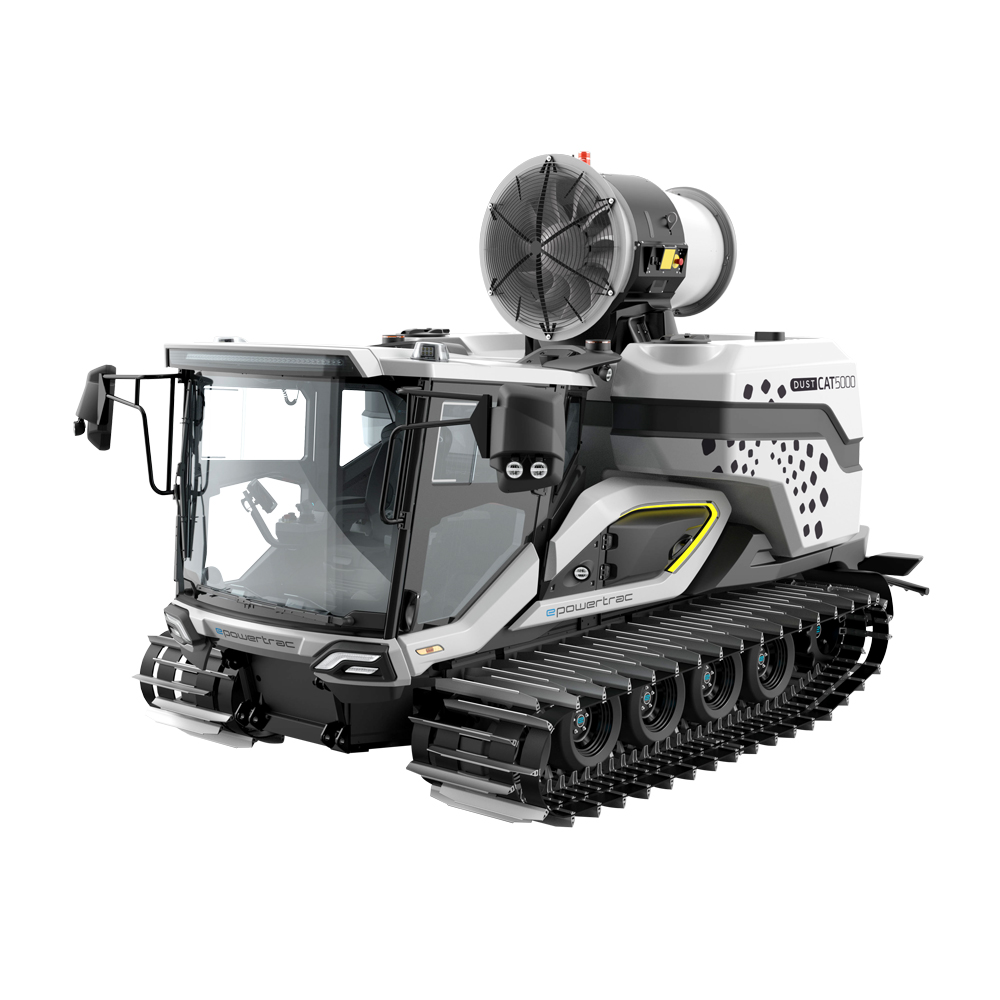
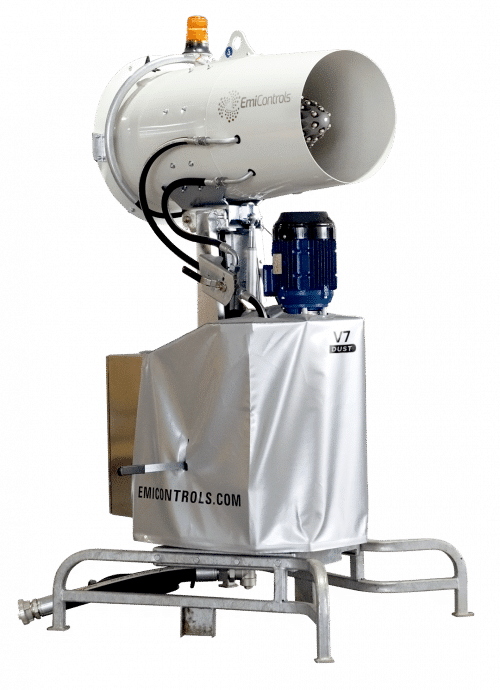
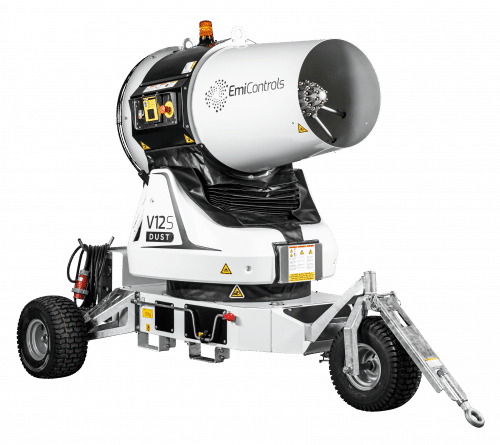
At Tecpro Australia, we partner with EmiControls to offer state-of-the-art dust suppression solutions. EmiControls utilises advanced water mist technology to bind dust particles and bring them to the ground efficiently. The key lies in creating droplets of the perfect size – not too large to float for only a short time, and not too small to be blown away by the wind. This optimal droplet size ensures maximum dust particle capture, enhancing air quality and improving working conditions.
Tailored Approaches to Dust Control
Effective dust control requires customised solutions based on the dust source and scale:
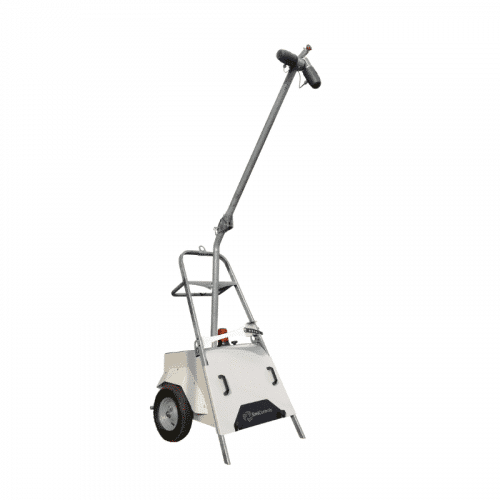
Selective Dust Suppression: For localised dust sources like conveyor belt transfer points, targeted solutions are essential. These systems can be applied directly to the dust source, making them ideal for contained or indoor environments.
Large-Scale Dust Suppression: In expansive areas like quarries or construction sites, large-scale systems are necessary. These solutions humidify the air and settle dust while sealing ground surfaces to prevent dust from rising.
The Tecpro Advantage: Expertise in Dust Suppression. With over three decades of experience in dust management solutions, Tecpro Australia provides expert consultation and customised dust control solutions. Our services span various environments, including:
- Mining: Haul roads, ROM bins, dump hoppers, conveyors, crushers, rail cars, and longwall dust suppression.
- Quarries: Haul roads, stockpiles, bins, hoppers, conveyors, transfer points, crushers.
- Ship Loading: Stockpiles, conveyors, transfer points, discharge points.
- Construction: Demolition sites, haul roads, heavy machinery, excavations.
- Concrete Plants: Truck loading, transfer points, hoppers, conveyors, haul roads.
- Waste Transfer Stations: Heavy machinery, dump hoppers, haul roads.
- Material Handling: Stockpiles, crushers, conveyors, transfer and discharge points, haul roads.
- By implementing effective dust suppression and control measures, our clients improve workplace safety, reduce equipment wear and tear, and foster better community relations by minimising dust emissions.
Embracing Advanced Dust Control for a Sustainable Future.
In today’s regulatory landscape and environmentally conscious world, adopting advanced dust suppression and control solutions is imperative. Tecpro Australia, in collaboration with EmiControls, offers innovative and effective dust management systems tailored to meet your specific needs. By prioritising dust control, you not only comply with regulations but also contribute to a safer, cleaner, and more sustainable industrial environment.
For more information on our dust suppression solutions, contact Tecpro Australia today and let our experts help you find the perfect dust control strategy for your operations.